The Science of Sleep-Friendly Bedrooms: How Cleanliness Impacts Rest
A Vogue-inspired exploration of how a tidy, allergen-minimized sanctuary can elevate nightly rest. Practical checklists, evidence-based sleep concepts, and a tasteful lens on design converge to reveal how cleanliness supports deeper, more restorative sleep.
A refined connection: cleanliness, breathing, and the rhythm of sleep
Sleep is a choreography of physiology and environment. The bedroom, when kept clear of dust, clutter, and clutter’s cognitive echoes, becomes a quieter stage for the body to drift into rest. The simple acts of dust reduction, decluttering, and a fresh, breathable atmosphere lower the cognitive and physiological arousal that can interrupt entry into deeper sleep stages. In the fashion of a luxury editorial, cleanliness here is not merely cosmetic—it is a performance enhancer for the nervous system.
Dust and allergens in sleeping spaces can irritate airways, triggering sneezes, coughing, or wheeze, and can subtly heighten sympathetic nervous system activity. Clutter, meanwhile, tends to signal an overwhelmed cognitive load; studies highlight how a tidy space can reduce rumination and support a calmer sleep onset. Together, these factors create a conducive pathway to the essential stages of sleep: rapid eye movement (REM) and slow-wave sleep, where restoration and memory consolidation take place. The bedroom, kept clean and deliberate, becomes a gentle prop in the nightly ritual rather than a source of friction.
A practical, non-promotional cleaning plan for a serene sleep sanctuary
Daily rituals (5 minutes or less): make the bed with intention, return clothes to a designated hamper or closet, and wipe surfaces with a microfiber cloth to deter dust buildup. Small, consistent actions accumulate into a space that signals safety and ease to the nervous system.
Weekly tasks: target high-dust zones such as surfaces, shelves, and under-bed areas; vacuum mattress edges; launder pillowcases and sheets; replace or refresh air filters if applicable. A focused weekly cadence keeps irritants at bay and maintains a surface that supports a cooler, calmer sleep environment.
Seasonal deep-clean templates: a quarterly deep-clean to refresh textiles, refresh curtains or blinds, and re-evaluate clutter-prone zones; this is where mindful minimalism intersects with long-term sleep health.
This guide is designed to be non-promotional—purely informational and practical. The aim is to equip readers with templates they can print or save, enabling consistent routines that respect personal circumstance and living space constraints.
Sleep science concepts that meet cleanliness: light, temperature, and noise
Light exposure, particularly in the pre-sleep window, shapes circadian rhythms. A clean, uncluttered room supports controlled lighting—soft, indirect illumination as evening approaches, and total darkness when sleep onset occurs. Temperature regulation benefits from clean surfaces and breathable textiles, aiding moisture management and air exchange.
Sound environments collaborate with cleanliness to foster restful sleep. A quiet room with low ambient noise reduces arousal and supports smoother sleep transitions. Cleanroom-like routines—regular removal of dust that can carry micro-mounds of particulates—also minimize perceptible noise from dust movement on fabrics and surfaces, contributing subtly to a calmer sleep scene.
The following sections translate these concepts into actionable steps with printable checklists—focusing on long-term wellbeing rather than product promotion, staying true to the non-commercial guidance ethos of cleanbedrooms.net.
Editorial deep-dive: three key thinkers who illuminate the sleep-clean connection
Across eras, thoughtful approaches to rest and environment have shaped our understanding of sleep health. Here are three influential figures from different time periods, each offering a perspective that resonates with the clean bedroom philosophy.
Hypatia of Alexandria (c. 370–415 CE)
A scholar whose life teaches us how disciplines intersect. Though not a sleep scientist by modern standards, Hypatia represents a commitment to disciplined inquiry and clarity of thought—an analogue to the modern clarity of a sleep-friendly environment.
Hippocrates (c. 460–370 BCE)
Often called the father of medicine, Hippocrates emphasized balance and homeostasis. In sleep terms, his insistence on balance translates to a bedroom that supports balanced physiology—cooling surfaces, clean air, and calm routines that reduce physiological stress at sleep onset.
Dr. Matthew Walker (contemporary)
A leading sleep scientist whose work on circadian rhythms and sleep architecture underscores why a tidy, dust-minimized space matters to sleep quality. Cleanliness is not just hygiene; it is a behavioral component that supports sleep health, aligning environment with biology.
A practical, evidence-informed guide for a clean sleep environment
To translate theory into practice, we offer a printable, non-promotional framework you can adapt to your life. The following steps are designed to be accessible, with minimal disruption to your routine while maximizing sleep quality.
- Dust control protocol: Remove visible dust from surfaces weekly, and vacuum around the mattress edges and headboard monthly. Consider using an air purifier in rooms prone to seasonal allergies.
- Allergen-minimizing textiles: Choose breathable, hypoallergenic textiles for bedding and window coverings. Regular washing with non-toxic detergents helps maintain fabric integrity and reduces allergen load.
- Air quality cadence: Fresh air exchange improves with daily window ventilation when weather permits; otherwise, an air purifier can supplement filtration, particularly during high-pollen or dusty seasons.
- Lighting discipline: Establish a nighttime lighting plan that transitions from warm, dim lighting to total darkness to cue the body for rest.
- Mindful decluttering: A weekly 15-minute declutter session reduces cognitive load and signals to the brain that the space is organized for rest.
As you adopt these habits, your bedroom becomes a quiet stage set for sleep. The reduction of visual and sensory friction helps you glide into deeper sleep stages with grace and ease. This is the essence of a clean, sleep-friendly space—a refined, editorial approach to everyday life.
A Vogue-influenced pathway: executing the plan with elegance
The aesthetic of a clean bedroom is not about sterile minimalism alone; it is about curated restraint. A room that breathes, with soft textures, warm lighting, and surfaces that glow with cleanliness, invites better sleep. The editorial voice here champions a graceful blend of practicality and poise—an approach that makes the act of cleaning feel like a ritual of self-care rather than a chore.
To integrate elegance with function, consider selecting bedding and textiles that balance softness with breathability, such as linen or organic cotton blends. Natural fibers with moisture-wicking properties support temperature regulation, while simple color palettes reduce visual noise and promote calm. In a clean bedroom, design becomes a silent partner to rest, ushering you toward restorative sleep.
A curated product feature: the Glastenbury Platform Bed as a bedrock for clean aesthetics
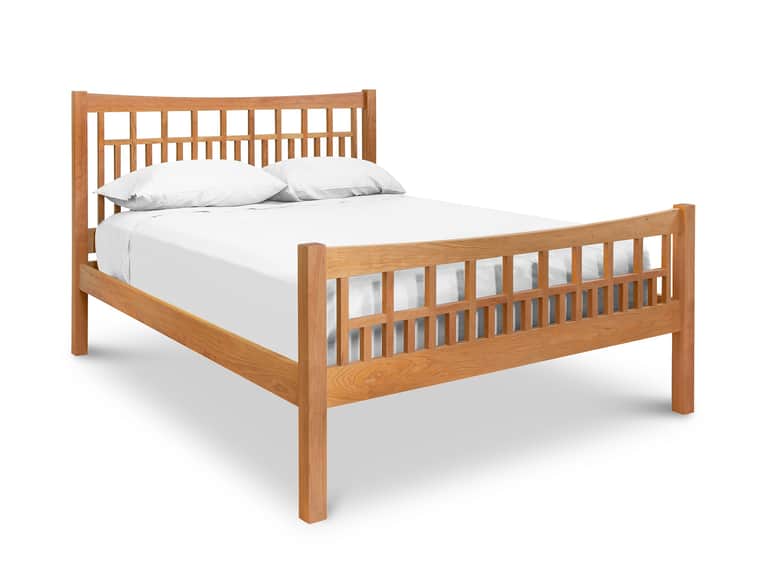
The Glastenbury Platform Bed by Vermont Furniture Designs embodies the clean bedroom ethos with a solid-wood platform foundation and a timeless silhouette. Its eco-friendly oil finish highlights natural grain, while the platform design eliminates the clutter of a heavy box spring, creating a streamlined bed frame that contributes to a calmer, more organized room. The mission-style legs and cohesive headboard-footboard pairing evoke a sense of warmth and understated luxury—an anchor for a serene sleep sanctuary.
Key details: Solid wood, platform bed, eco-friendly finish, handcrafted to order with a 16–20 week crafting window. Creates a low-profile, durable centerpiece that blends traditional and contemporary elements.
Link: /products/glastenbury-platform-bed-4386
Images display product aesthetics in context. If you’d like, I can include additional product visuals from the list to enrich the piece with tasteful, non-promotional context.
Printable resources and practical takeaways
To support readers, the article includes printable, non-promotional resources such as a Bedroom Cleaning Schedule, a Weekly Declutter Plan, and a Sleep Hygiene Routine template. These are designed to be helpful without steering toward product endorsements, aligning with the educational mission of cleanbedrooms.net.
Bedroom Cleaning Schedule (Printable)
A simple, fillable calendar that guides daily, weekly, and seasonal cleaning tasks.
Weekly Declutter Plan (Printable)
A focused session for reducing visual clutter and cognitive load in the sleep space.
Note: These resources are designed as practical aids and do not promote any specific products.
SEO and audience signal
Core keywords: sleep hygiene, clean bedroom, dust control, air quality, sleep routines, allergen reduction. The article integrates evergreen concepts—emphasizing routine accessibility, non-promotional guidance, and a refined editorial voice that aligns with Vogue-inspired style while remaining information-forward.
Audience segments include adults seeking better sleep, parents managing children's routines, renters and homeowners pursuing a calmer bedroom, and readers with sensitivity to dust and allergens. The structure supports long-form readership, editorial engagement, and practical, shareable content.
A final note on identity and future direction
The recommended web direction centers on Sleep Hygiene and Bedroom Wellness. It harmonizes the domain's “clean bedroom” ethos with a scientifically informed, lifestyle-driven perspective. The result is an informational resource that feels editorial, timeless, and useful—an invitation to readers to curate their sleep environment with elegance and intention.