The Bedroom Edit · Bedding & Sleep
How Linen Sheets Adapt to Changing Seasons
The appeal of linen is not that it feels identical every night of the year. It is that its airy weave and distinctive natural texture can feel at home in changing conditions—light and breathable through summer, quietly insulating when the weather turns cool. With thoughtful layering and simple care, linen sheets can make a bedroom feel considered in every season.
Some fabrics announce themselves immediately: sleek, crisp, almost polished. Linen has a more nuanced presence. It is softly textured, gently relaxed and pleasingly substantial, with a character that develops through use. Made from flax, its fibers have a natural structure that supports airflow and helps moisture move away from the skin. Those qualities make linen a compelling choice for people who want bedding that can work across more than one season.
Still, “temperature-regulating” is best understood as a description of how a fabric behaves, not a promise that it will set the temperature of a bed or solve every sleep discomfort. The sensation of warmth or coolness depends on the room, the sleeper, the mattress, the duvet and the number of layers in use. Linen contributes one part of that arrangement: a breathable, moisture-managing surface with a weight and texture that can feel comfortable in a range of conditions.
That versatility is especially appealing in a bedroom designed for rest rather than constant reinvention. Instead of changing the entire bed as the calendar shifts, you can adjust the layers around a dependable sheet set: a lighter cover in warm weather, a warmer duvet when evenings grow cold, and a room routine that keeps the bedding clean and comfortable.
Why linen feels different from season to season
Linen’s seasonal appeal begins with airflow. Its woven structure allows air to circulate through the fabric, which can help the bed feel less close and stuffy in warm conditions. When a sleeper becomes warm, the body releases moisture. A breathable sheet that helps moisture disperse can feel more comfortable than a material that holds a damp sensation against the skin. Linen’s natural fibers are known for moisture absorption and release, which is one reason the fabric is often associated with a fresh, dry feel.
In summer, those qualities can be particularly welcome. Linen sheets have a relaxed drape and a tactile surface that does not feel overly sleek or clingy. They may feel cool at first contact, though the precise sensation varies with room temperature, humidity, fabric weight and individual preference. If the bedroom is very warm, even breathable sheets cannot replace broader measures such as managing sunlight, ventilation and the weight of the duvet. They can, however, be a useful part of a lighter, more comfortable bedding setup.
When temperatures fall, the same fabric takes on a different role. Linen is not a heavyweight blanket, but its natural fibers and substantial hand can lend the bed a sense of comforting texture. Paired with a warmer duvet or an additional blanket, it can remain the breathable layer closest to the body while the upper layers provide most of the added insulation. That combination gives the bed a composed, layered quality without requiring a complete bedding overhaul at every change in weather.
It is helpful to think in terms of a bedding system rather than asking one sheet to do everything. Sheets sit next to the skin; duvets and blankets supply much of the warmth; the bedroom itself influences how the whole arrangement feels. Linen’s usefulness lies in its ability to complement different layers, not in being a substitute for them.
The pleasure of a lived-in texture
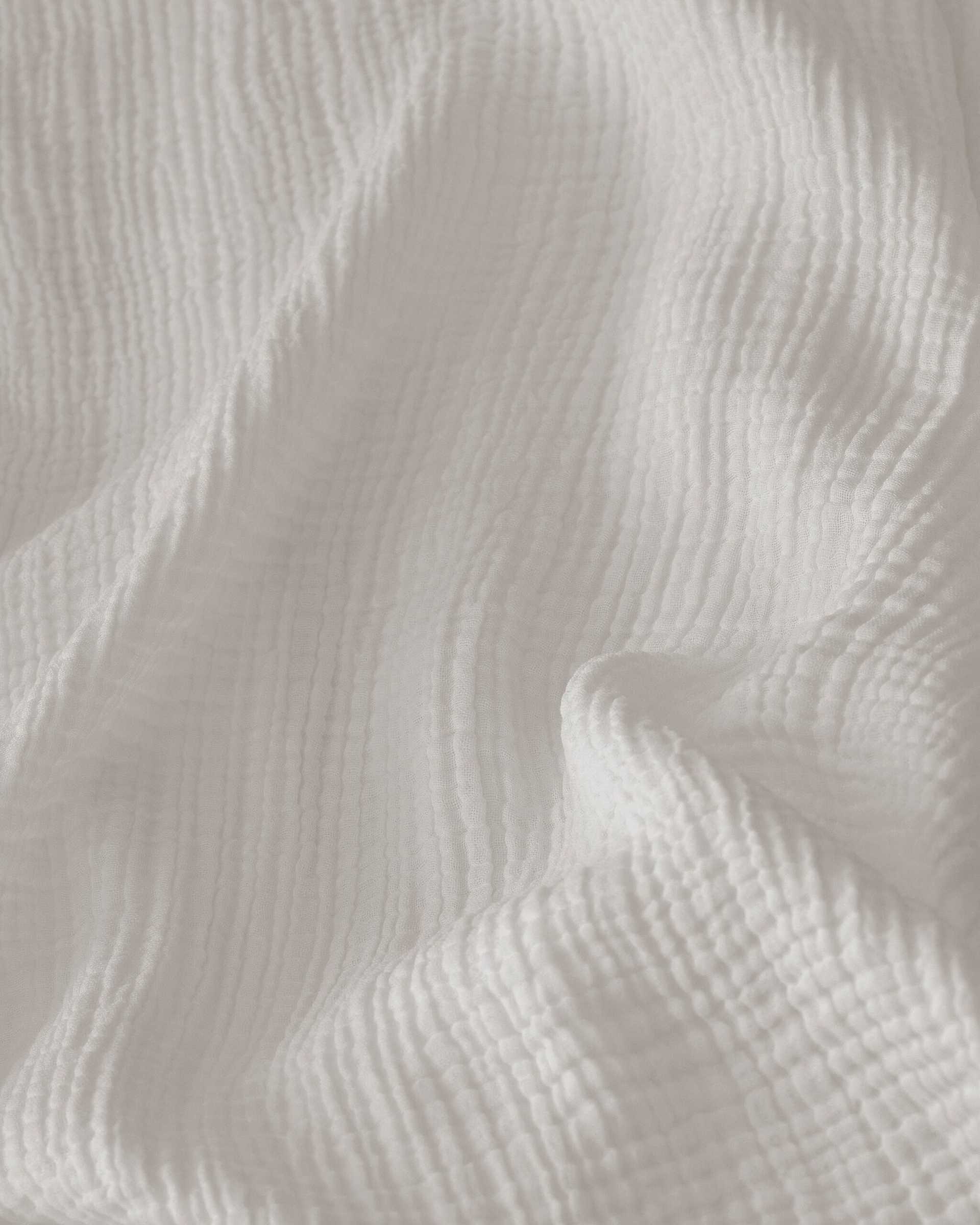
Linen is often chosen for more than its practical qualities. Its surface has an easy, slightly irregular texture that gives a bed a sense of softness without appearing overly styled. The natural creasing is part of the fabric’s character. A linen bed need not be pressed into immaculate smoothness to look cared for; a freshly laundered, neatly made bed can feel polished while retaining the gentle folds that make linen distinctive.
That visual ease can also make seasonal changes feel simple. In warmer months, linen paired with a light cover has an airy, unstudied quality. In winter, the same sheets can sit beneath a fuller duvet and richer layers without seeming out of place. The fabric’s quiet texture works with both spare and more layered bedrooms, making it a useful foundation for a palette that shifts subtly through the year.
Softness is personal, and linen may feel different from the smooth hand of cotton sateen or the crisp, close finish of percale. It can feel weightier and more textured at first, then become softer with repeated laundering. If you are accustomed to a very smooth sheet, that difference is worth considering. The best bedding is not defined by a particular weave or fiber, but by the way it feels to you night after night.
Adjust the layers, not your whole routine
A seasonally comfortable bed can be assembled with a few deliberate choices. Start with the sheet, then adapt what sits above it. For warm nights, choose a lighter duvet or coverlet and keep extra blankets within reach rather than placing them all on the bed. In cooler weather, add warmth through the duvet or a blanket at the foot of the bed. This makes it easy to fine-tune comfort without changing the foundation.
Room conditions matter, too. A bedroom that catches afternoon sun may remain warm after sunset, while an older or less insulated room may cool quickly overnight. Curtains, ventilation and the placement of the bed can all affect the experience. If you wake feeling too warm or too cold, consider changing one element at a time—the duvet weight, an added layer or the room’s airflow—so you can identify what actually helps.
There is no universal formula for the ideal number of layers. A warm sleeper may prefer a simple arrangement throughout the year, while someone who feels cold easily may appreciate a blanket that can be added or removed. Linen works within both approaches because it is not tied to a single look or season. The aim is a bed that feels comfortable, manageable and easy to keep fresh.
- For warmer conditions: keep the duvet lighter, reduce unnecessary layers and allow the sheet to remain the main contact surface.
- For cool evenings: add warmth with a duvet or blanket rather than expecting the sheet alone to insulate the bed.
- For changeable weather: use removable layers so the bed can be adjusted from night to night.
- For a calmer routine: make small, practical changes rather than replacing bedding simply because the season has changed.
A closer look at Naturepedic organic linen sheets
For a natural-fiber option, Naturepedic organic linen sheets are made from certified organic flax linen, with flax grown in France and the finished sheets made in a GOTS-certified organic facility in India. The listed fabric weight is 185 gsm, and the set includes a flat sheet, a fitted sheet and two pillowcases. Queen, King and California King sizes are available, with a 15-inch pocket on the fitted sheet.
The product information describes the linen as breathable and moisture-wicking, with a texture that becomes softer with washing. These are useful considerations if you are looking for sheets that can accompany different bedding layers over the year. The looser weave is also described as helping reduce the buildup of dust and particles; that should not be treated as a guarantee of allergy relief. People with persistent allergy symptoms or other health concerns may want advice tailored to their circumstances.
Organic certification can help clarify how a textile has been produced and processed, but it does not tell you whether a particular sheet will feel right against your skin. Look at the fiber, weave, dimensions and care instructions, then consider your own preferences. If you enjoy a softly textured surface and want a sheet that can work with both lighter and warmer covers, linen may be worth exploring.
Fit is part of comfort, too. A fitted sheet should suit the depth of the mattress and stay secure without being stretched beyond its intended dimensions. A smooth, well-fitted surface is easier to make and less likely to bunch beneath you. If your mattress includes a topper or protector, account for its added height when checking pocket depth.
Linen sheet care: simple habits, lasting comfort
Care is one of the quieter pleasures of linen. Its everyday maintenance does not need to be elaborate, but following the maker’s instructions helps protect the fabric and preserve its feel. For Naturepedic organic linen sheets, the stated guidance is to machine wash warm, tumble dry on low and use a warm iron if desired. Bleach is not recommended. Always check the care label on your own set before washing, since instructions can differ between products.
Wash sheets regularly according to your household’s routine, paying attention to factors such as warm weather, pets, children and personal preference. Use a suitable amount of detergent rather than assuming more will clean better. Too much detergent can be difficult to rinse away, while excessive heat or harsh treatment may put unnecessary strain on fibers over time. If you share laundry facilities or have a delicate machine setting, select a cycle that follows the product’s care instructions and suits the load.
Drying deserves a little attention. Low heat is the stated recommendation for these sheets. Removing them promptly at the end of the cycle can help avoid deep-set creases. Linen naturally wrinkles, so ironing is a matter of taste rather than a requirement for a well-kept bed. If you prefer a smoother finish, a warm iron is listed as an option; if you enjoy the fabric’s relaxed look, make the bed once the sheets are dry and let their texture remain part of the appeal.
Make sure sheets are completely dry before storing them. A clean, dry linen closet helps bedding stay fresh between uses. Rotating between sets, where possible, also gives each set time to rest between wash cycles and makes laundry easier to manage. These are modest habits, but consistency is often more useful than complicated upkeep.
A practical linen-care checklist
- Read the product care label before the first wash and follow its temperature and drying guidance.
- Wash with a suitable detergent and avoid bleach when the care instructions advise against it.
- Use a low-heat tumble-dry setting where recommended, and remove the sheets when dry.
- Iron only if you prefer a smoother appearance; linen’s natural creases are part of its character.
- Store sheets only when they are fully dry, in a clean and dry space.
- Check that the fitted sheet’s pocket depth matches the mattress and any topper or protector.
Choosing linen for your own sleep space
Before choosing linen sheets, consider the conditions you are trying to improve. Do you tend to feel warm at night? Is your room prone to seasonal temperature swings? Do you like a textured fabric, or are you happiest with a smoother surface? These questions are more useful than choosing bedding based on a trend or a promise that one material suits everyone.
Think about care as well as feel. Linen is often valued for durability, but everyday longevity depends on how it is used, washed and dried. Check the sizing, care directions and stated fiber details. If a certification matters to you, review the product’s information rather than relying on a broad label such as “natural” or “eco-friendly.” A clear description helps you decide whether the sheet set fits your priorities.
It can also help to keep expectations realistic. Linen may support a breathable bedding arrangement, but it cannot compensate for an overly heavy duvet, a room that is too hot, or an individual sleep concern. If changes to bedding and room conditions do not resolve ongoing sleep difficulties, consider speaking with a qualified health professional. Bedroom comfort is one element of rest, not a medical treatment.
The quiet luxury of a bed that changes with you
The best seasonal bedding does not require an elaborate transformation. It responds to the way a room and its occupant feel from one month to the next. Linen’s breathable weave, moisture-managing qualities and softly textured finish make it a versatile foundation: light enough to suit a pared-back summer bed, substantial enough to sit comfortably beneath warmer layers when the evenings grow cool.
Its appeal is ultimately both practical and aesthetic. Linen can make a bed feel thoughtfully composed without demanding perfection. A little natural creasing, a clean surface and a well-chosen layer above it are often enough. With care that respects the fabric and a willingness to adjust the duvet rather than the whole bedding system, linen sheets can bring a sense of ease to the bedroom across the changing seasons.
For anyone seeking breathable bedding with a tactile, relaxed character, the result is less about chasing an ideal temperature and more about creating a comfortable setting that can be adapted. Start with the sheet you enjoy sleeping on. Let the room, the season and your own preferences guide the layers around it.