Wool comforters offer natural warmth and temperature regulation, making them a versatile choice for varying indoor climates. This category highlights the unique properties of wool fibers, including breathability, moisture wicking, and insulation. Understanding how wool fibers respond to body heat helps explain why wool comforters can maintain comfort without overheating during sleep.
Key features to consider include fiber origin, carding, and fill weight, which influence loft, plushness, and durability. Wool is inherently flame resistant and typically hypoallergenic, with fibers that resist odor buildup. The balance of weight and warmth varies across comforter designs, catering to cool nights and transitional seasons alike.
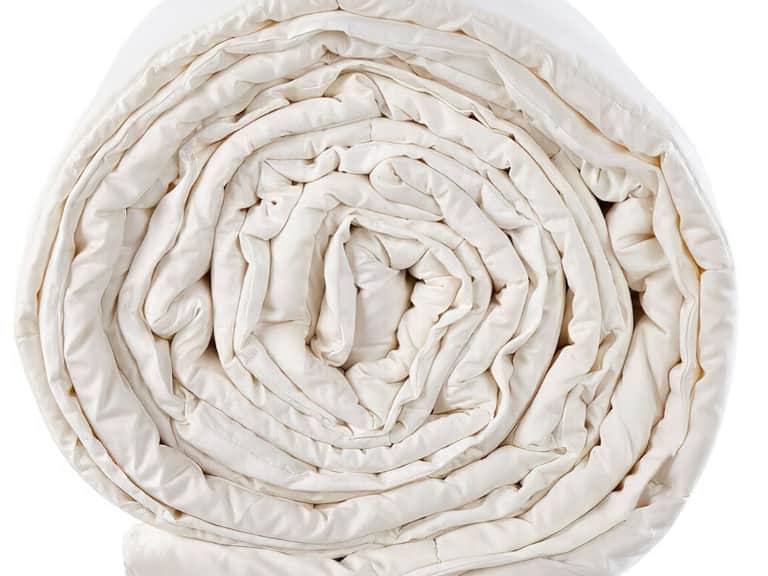
Within the category, products such as Sleep and Beyond and myComforter Light illustrate a range of wool-based options. These comforters emphasize breathable linings, evenly distributed fill, and secure stitching that preserves loft. Functional benefits include reduced night sweats, improved sleep temperature regulation, and long-term resilience under regular use.
Care considerations for wool comforters involve gentle cleaning methods, proper drying, and storage to maintain loft. Wool’s natural resilience supports succession of fluffy warmth after washes, while proper care helps prevent matting and fiber shedding. Users should consult fabric labels for washing cycles and recommended detergents specialized for wools.
Overall, wool comforters align with sustainable bedding practices due to renewable fiber sources and durable construction. They pair well with complementary bedding components like organic mattresses, sheets, and pillow arrangements, supporting a cohesive sleep environment focused on comfort, health, and consistent climate control.
 Bedding